The history of football kits mirrors the history of the game itself. Shirts began as heavy wool jerseys used simply to tell teams apart. Today they are high-tech, fashion-driven products worth billions of pounds, worn as much in the street as on the pitch.
Quick answer: the key moments in the history of football kits are the first numbered shirts in 1928, compulsory numbers in the Football League from 1939, lighter continental styles in the 1950s, manufacturer logos and fan replicas in the 1970s, shirt sponsors from the late 1970s, squad numbers and names in the 1990s, recycled performance fabrics in the 2010s and the retro revival of 2026-27.
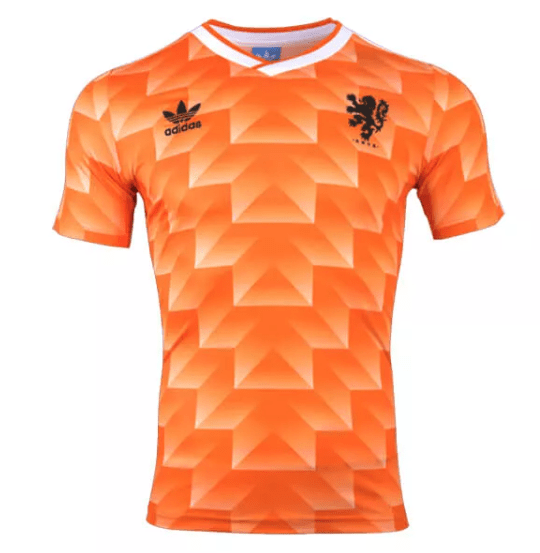
Table of Contents
The Early Years: 1860s to 1920s
In the earliest days of organised football, players often wore their everyday clothes. Teams were told apart by coloured caps, sashes or armbands. As clubs formed, they chose colours and shirts became thick wool or cotton jerseys with long sleeves and laced or buttoned collars.
These shirts were heavy, especially when wet, and colours were limited by the dyes of the time. Many of today’s famous club colours, such as Arsenal’s red and Everton’s royal blue, were established in this era.
Shirt Numbers Arrive: 1928 to 1939
A big moment in the history of football kits came on 25 August 1928, when Arsenal and Chelsea wore numbered shirts in league matches. In the 1933 FA Cup final, Everton wore numbers 1 to 11 and Manchester City 12 to 22. The Football League made numbers compulsory in 1939, with players numbered 1 to 11 by position.
Lighter Shirts and Continental Style: 1950s and 1960s
When Hungary beat England 6–3 at Wembley in 1953, people noticed their lighter kits and boots as well as their football. Over the next decade, British clubs moved towards lighter fabrics, short sleeves and V-necks or crew necks, inspired by European and South American teams.
The arrival of television, and later colour TV, also pushed clubs towards clearer, brighter designs. Brazil’s yellow shirt at the 1970 World Cup in Mexico became one of the first truly global football images.
Brands, Replicas and Sponsors: 1970s and 1980s
The 1970s changed the history of football kits forever. Kit makers such as Admiral, Umbro and adidas began putting their logos on shirts, and Admiral helped create the market for replica shirts that fans could buy.
Shirt sponsorship followed. Eintracht Braunschweig carried Jägermeister in Germany in 1973, Kettering Town were among the first English clubs to wear a sponsor in 1976, and Liverpool’s Hitachi deal in 1979 made front-of-shirt sponsorship normal in the top flight.
The 1980s brought bold patterns, shiny fabrics and famous sponsors like JVC, Candy and Sharp. Holland’s 1988 shirt and Denmark’s 1986 half-and-half design are perfect examples. See them in our retro football shirts collection.
The 1990s: Baggy, Bold and Unforgettable
The 1990s were the golden age of wild designs: oversized cuts, collars, all-over prints and bright away colours. Arsenal’s “Bruised Banana” away and Manchester United’s 1998–99 treble shirt are from this era.
Japan’s flame-sleeved shirts from the 1998 World Cup are another cult favourite from the decade — this guide to retro Japan football shirts covers them in detail.
The Premier League introduced squad numbers and player names on shirts from the 1993-94 season, which turned shirt-buying into player-buying. Football Kit Archive keeps a detailed record of this era on footballkitarchive.com.
Tight Fits and Technology: 2000s and 2010s
In the 2000s shirts became tight and technical. Kappa’s skin-tight shirts for Italy around 2002 were designed so opponents could not grab them. Brands introduced moisture-wicking fabrics, cooling zones and heat-pressed badges.
In 2010, Nike made World Cup shirts from recycled plastic bottles, and recycled polyester is now standard. Brands also split shirts into player and fan versions. Read about that in our player version vs fan version guide.
Fashion, Collabs and the Retro Revival: 2018 to 2026-27
The latest chapter in the history of football kits is fashion. PSG’s partnership with Jordan, Barcelona’s Kobe Bryant away shirts and Sunderland’s Elvis Presley away show how shirts now cross into music, basketball and streetwear.
At the same time, clubs are copying their own past. In 2026-27, Liverpool revived the Candy shirt, Arsenal reworked the Bruised Banana and adidas brought the Trefoil back. The Premier League’s ban on front-of-shirt gambling sponsors also began this season. See our Premier League kits 2026-27 guide for the full story.
History of Football Kits Timeline
| Year | Milestone |
|---|---|
| 1860s–1900s | Caps and sashes, then wool jerseys in club colours |
| 1928 | Arsenal and Chelsea wear numbered shirts |
| 1939 | Football League makes numbers compulsory |
| 1953 | Hungary’s light kits influence British clubs |
| 1970s | Manufacturer logos and fan replica shirts |
| 1973–1979 | Shirt sponsorship begins and spreads |
| 1993-94 | Premier League squad numbers and names |
| 2010 | Recycled polyester World Cup shirts |
| 2026-27 | Retro revival and no front-of-shirt gambling sponsors in the Premier League |
Own a piece of football history with our classic football shirts and vintage collection, or read our list of the best retro football shirts.
The Story of Away Kits
Away kits exist for a simple reason: avoiding colour clashes. In the early game, when two teams wore similar colours, one side would change into white or another plain shirt. Over time, clubs registered a second set of colours, and change kits became a permanent part of the kit cycle.
From the 1990s onwards, away and third shirts turned into a creative playground and a big commercial opportunity. Today many clubs release three or four shirts per season, and some of the most loved designs in the history of football kits, such as Arsenal’s Bruised Banana, were away shirts.
Goalkeeper Kits: From Green Jumpers to Neon
Goalkeepers were not always dressed differently from their team-mates. Once distinct colours were required, many keepers wore plain green or yellow woollen jumpers for decades. The 1980s and 1990s changed everything with wild prints and bright colours, think Jorge Campos’ self-designed shirts for Mexico. Modern goalkeeper kits use neon shades for visibility and include padded elbows for protection.
The Rise of Women’s Football Kits
For much of football history, women’s teams wore shirts cut for men. As the women’s game grew, especially after big tournaments like the Women’s World Cup and the Women’s Euros, brands began designing shirts specifically for women, with different cuts, sizing and sometimes unique colourways. This is one of the most important modern chapters in kit design.
Want to own a piece of every era? Explore our classic shirts, retro range and the newest 2026-27 kits, the latest chapter in the history of football kits.
History of Football Kits FAQs
When did football shirts first have numbers?
Arsenal and Chelsea wore numbered shirts on 25 August 1928, and numbers became compulsory in the Football League in 1939.
When did names appear on football shirts in England?
The Premier League introduced squad numbers and player names from the 1993-94 season.
Which club had the first shirt sponsor in England?
Kettering Town were among the first in 1976. Liverpool’s Hitachi deal in 1979 helped make sponsorship normal in the top flight.
What were early football shirts made of?
Heavy wool or cotton, which became very heavy when wet.
Why do clubs have away kits?
To avoid colour clashes, so players, referees and fans can easily tell the teams apart.